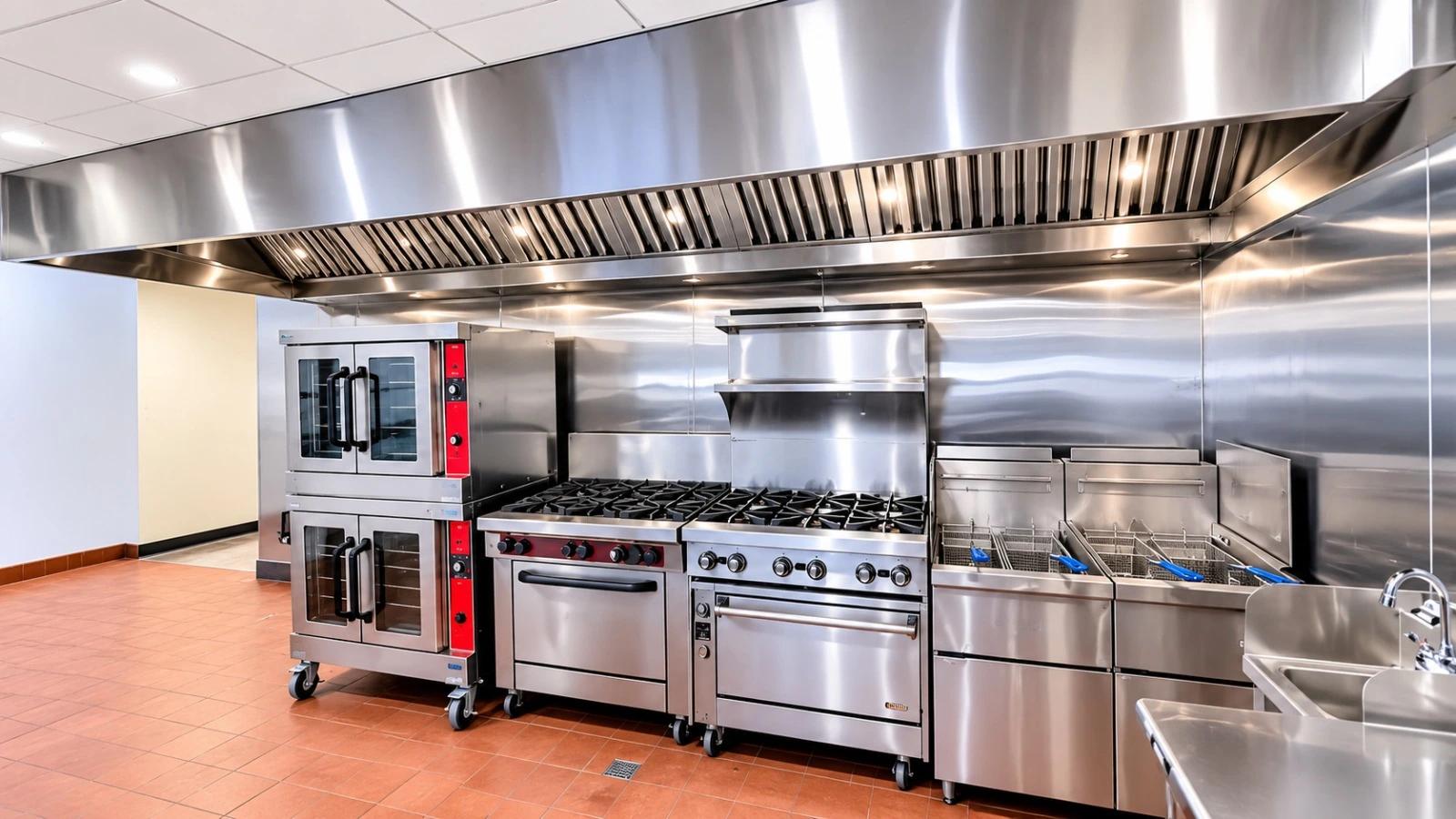
A restaurant kitchen needs a properly designed commercial kitchen ventilation system that removes smoke, grease, heat, steam, and cooking odors while supplying fresh replacement air. Most commercial kitchens require an exhaust hood, grease-rated ductwork where applicable, an exhaust fan, and a makeup air system. The exact setup depends on cooking equipment, kitchen layout, building conditions, and applicable fire and mechanical codes.
For restaurant owners in Detroit, choosing the right kitchen ventilation system is essential for employee comfort, fire safety, indoor air quality, and smooth daily operations. A properly designed system also helps control grease buildup and prevents excessive heat from accumulating in busy cooking areas.
Commercial kitchen ventilation is a system designed to capture and remove airborne contaminants produced during cooking. It controls grease-laden vapors, smoke, heat, steam, and odors while maintaining balanced airflow throughout the kitchen.
Quick Answer:
A restaurant kitchen typically needs a commercial exhaust hood, exhaust fan, appropriate ductwork, and makeup air equipment. Depending on the cooking appliances, the system may also require fire suppression, air filtration, and additional ventilation controls.
Unlike residential kitchen ventilation, commercial systems must handle continuous cooking, higher temperatures, larger equipment, and heavier grease production.
The right ventilation system depends on the cooking equipment and the type of food being prepared. Commercial kitchens commonly use the following components.
1. Type I Commercial Kitchen Exhaust Hoods
Type I hoods are designed for appliances that produce grease-laden vapors and smoke.
They are commonly installed above:
These systems generally require grease-rated ductwork, suitable exhaust fans, and an approved fire-suppression system.
2. Type II Commercial Kitchen Exhaust Hoods
Type II hoods are designed primarily to capture heat, steam, and moisture rather than grease-laden cooking emissions.
They may be appropriate above:
A Type II hood is not a substitute for a Type I hood when cooking equipment produces grease.
3. Kitchen Makeup Air Systems
A makeup air system replaces the air removed by kitchen exhaust fans.
Without sufficient replacement air, a restaurant may experience negative air pressure, uncomfortable drafts, difficulty opening doors, and reduced exhaust performance.
Makeup air may be tempered or conditioned depending on the building design and applicable requirements.
4. Commercial Exhaust Fans and Ductwork
Exhaust fans pull contaminated air through the hood and duct system before discharging it outdoors.
Commercial kitchen ductwork must be appropriate for the exhaust being handled. Grease exhaust systems require specific construction, access for cleaning, and installation clearances under applicable codes.
A commercial kitchen exhaust system removes contaminated air through a coordinated process:
The system must be designed to capture and contain cooking emissions under actual operating conditions. Proper airflow balancing is particularly important in busy restaurants.
Investing in an appropriately designed commercial kitchen ventilation system provides several important advantages:
For restaurants operating in Detroit, proper ventilation also helps prepare facilities for inspections and ongoing commercial operations.
Even professionally installed systems can develop problems without proper maintenance.
Common issues include:
A professional inspection can identify the underlying issue and determine whether cleaning, repairs, equipment replacement, or ventilation upgrades are necessary.
The cost of installing restaurant kitchen ventilation depends on the size of the kitchen, cooking equipment, building layout, and required exhaust capacity.
Important cost considerations include:
| Component | Factors Affecting Cost |
|---|---|
| Commercial exhaust hood | Hood size, type, and configuration |
| Exhaust fan | Airflow capacity and installation location |
| Grease ductwork | Length, routing, and construction |
| Makeup air system | Capacity, heating, and controls |
| Fire suppression | System design and equipment requirements |
| Installation labor | Building accessibility and project complexity |
A small restaurant kitchen may require a relatively straightforward installation, while a large commercial kitchen with multiple cooking stations may need a more extensive ventilation system.
The best approach is to request an on-site assessment and itemized estimate before starting installation.
Commercial kitchen ventilation is more complicated than installing an ordinary exhaust fan. Every component must work together to capture cooking emissions, maintain balanced airflow, and support fire safety.
Professional contractors evaluate:
In Michigan, commercial kitchen exhaust systems must comply with applicable mechanical code requirements and NFPA 96. Permit requirements and inspections should also be confirmed with the relevant building authority.
Regular maintenance helps keep commercial exhaust systems operating efficiently and safely.
Recommended practices include:
Do not wait until the hood stops capturing smoke effectively. Preventative maintenance can help avoid unexpected equipment problems and costly business interruptions.
Most commercial restaurant kitchens need a Type I or Type II exhaust hood, depending on the cooking equipment. A complete system may also include exhaust fans, ductwork, grease filters, makeup air equipment, and fire suppression. The exact configuration depends on cooking operations and applicable building and fire codes.
Type I hoods capture grease-laden vapors and smoke from equipment such as fryers, grills, and charbroilers. Type II hoods primarily remove heat, steam, and moisture from appliances that do not produce grease-laden vapors. Selecting the correct hood is essential for safety and compliance.
Commercial kitchens generally need makeup air whenever their exhaust systems operate. Makeup air replaces the air removed by exhaust fans, helping maintain balanced building pressure and effective ventilation. An improperly balanced system can cause drafts, uncomfortable working conditions, and poor exhaust performance.
Required ventilation airflow depends on the hood type, dimensions, cooking appliances, equipment arrangement, and applicable mechanical code. There is no single CFM requirement suitable for every restaurant. A professional contractor should calculate the necessary exhaust and replacement air based on the actual kitchen design.
Cleaning frequency depends on cooking volume, food preparation methods, and grease production. Restaurants with heavy-volume solid-fuel cooking generally require more frequent cleaning than lower-volume operations. NFPA 96 provides inspection and cleaning guidance that professional contractors should use when establishing a maintenance schedule.
Restaurants using appliances that produce grease-laden vapors or significant cooking emissions generally require an appropriately designed exhaust hood. Requirements depend on the appliances, building configuration, and local regulations. Restaurant owners should consult a qualified commercial ventilation contractor before installing or modifying cooking equipment.
Commercial HVAC and mechanical contractors specializing in restaurant ventilation can design and install kitchen exhaust hoods, ductwork, exhaust fans, and makeup air systems. Detroit restaurant owners should choose experienced contractors familiar with Michigan mechanical requirements and applicable NFPA standards.
Desert In Alaska Corp has provided commercial HVAC, mechanical, fire suppression, and kitchen exhaust solutions throughout Metro Detroit since 1997. The company works with restaurants, hotels, cafeterias, industrial facilities, and other commercial properties.
Its commercial kitchen exhaust services include hood installation, exhaust fan installation and replacement, grease ductwork, makeup air systems, ventilation upgrades, and preventative maintenance.
With licensed and insured professionals, certified technicians, and experience with commercial fire protection systems, Desert In Alaska focuses on reliable installations and practical ventilation solutions designed around each facility's requirements.
Whether you are opening a new restaurant, upgrading an existing kitchen, or addressing ventilation problems, the team can help evaluate your requirements.
Visit Desert In Alaska's commercial kitchen exhaust services or call 313-931-3070 to schedule an on-site inspection and request a quote.
The right restaurant kitchen ventilation system depends on the cooking equipment, kitchen layout, airflow requirements, and applicable safety regulations.
For most commercial kitchens, an appropriately selected exhaust hood, exhaust fan, grease ductwork, and makeup air system are essential. Type I and Type II hoods serve different purposes, so choosing the correct equipment is important for effective ventilation and fire safety.
If you are planning a restaurant kitchen installation or upgrading an existing ventilation system in Detroit, working with an experienced commercial mechanical contractor can help ensure your system is designed for dependable performance.