Industrial facilities depend on reliable fire protection systems to safeguard employees, equipment, inventory, and business operations. In a busy industrial city like Detroit, MI, manufacturing plants, warehouses, processing facilities, commercial kitchens, automotive operations, and other industrial properties face unique fire risks every day.
A fire suppression system is designed to respond quickly when a fire occurs. However, like any mechanical or safety-critical system, it requires regular inspection, maintenance, and professional servicing. Ignoring warning signs can leave your facility vulnerable when protection is needed most.
The problem is that many business owners and facility managers do not realize their industrial fire suppression system needs service until they experience a malfunction, inspection failure, or potentially dangerous incident.
This guide explains the five most important signs that your industrial fire suppression system needs immediate service in Detroit, MI, along with practical information about why maintenance matters and how professional fire suppression services can help protect your property.
An industrial fire can cause significantly more than property damage. Depending on the type of facility, a fire may result in:
A properly maintained industrial fire suppression system helps reduce these risks by detecting and controlling certain types of fires quickly.
However, installing a system is only the first step. Components can wear out, become damaged, corrode, lose pressure, or develop other issues over time.
Regular maintenance helps ensure that the system remains operational and ready to perform when necessary.
For businesses in Detroit, Michigan, professional fire suppression maintenance is particularly important because industrial facilities often operate continuously and depend on complex machinery and equipment.
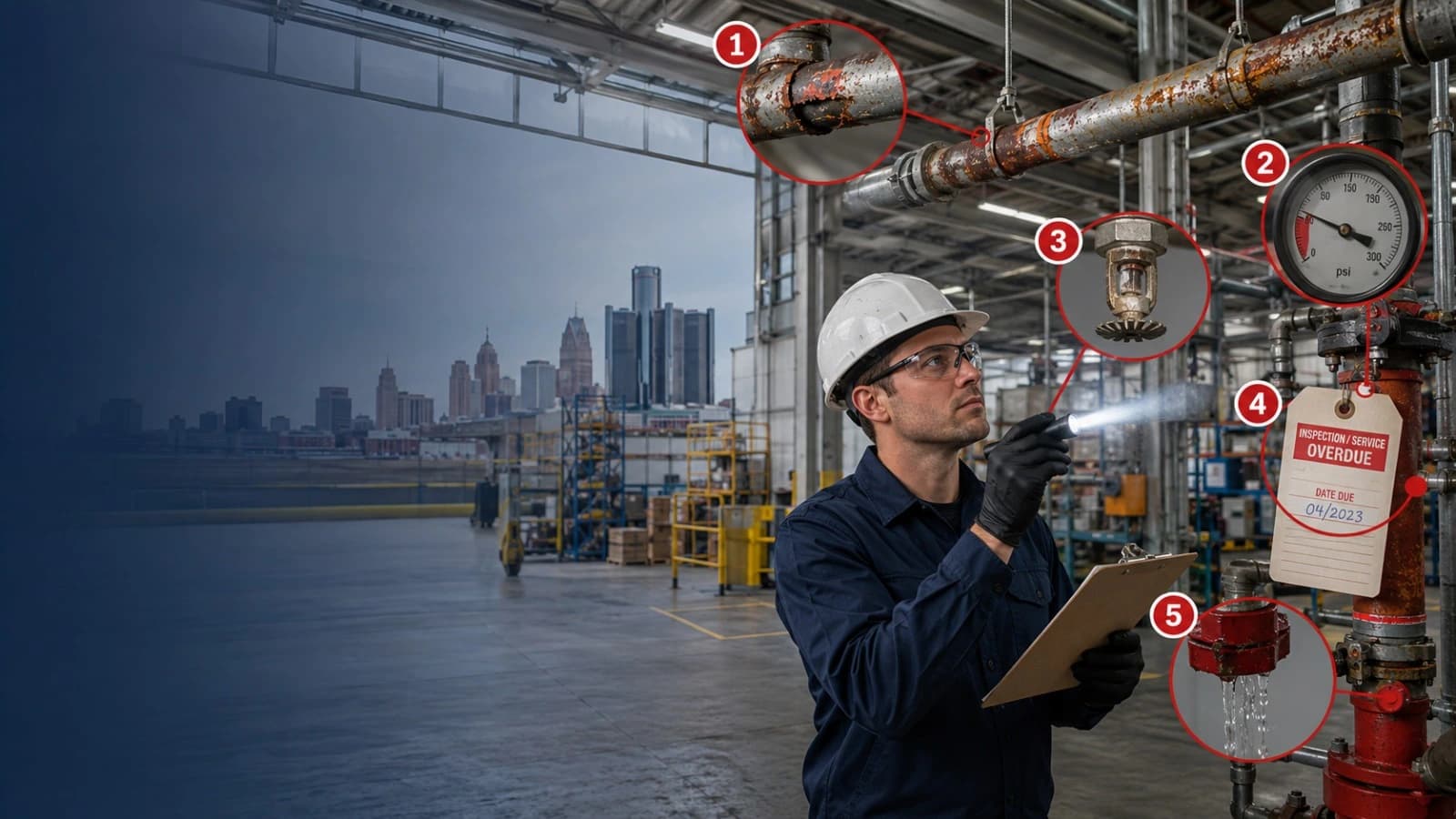
One of the clearest signs that your industrial fire suppression system needs immediate attention is visible physical damage.
Facility managers should periodically inspect accessible components for obvious problems.
These may include:
Even a seemingly minor problem can affect system performance.
For example, corrosion may gradually weaken a component. A damaged nozzle may prevent the suppression agent from being distributed correctly. A leaking connection may reduce system pressure.
Industrial environments can be particularly demanding. Exposure to moisture, heat, chemicals, dust, vibration, and machinery can contribute to component deterioration.
Why Physical Damage Should Never Be Ignored
Fire suppression equipment is designed to work as a complete system. When one component is damaged, overall performance may be affected.
A damaged component could potentially cause:
If you notice visible damage, it is important to arrange a professional inspection as soon as possible.
Never assume that a damaged component is only cosmetic.
A trained fire suppression technician can evaluate the system and determine whether repairs or replacement are necessary.
Many fire suppression systems rely on properly maintained pressure levels to function correctly.
A pressure problem is a serious warning sign that should not be ignored.
Depending on the type of system installed at your Detroit facility, you may notice:
Pressure is often essential for delivering the suppression agent effectively.
If pressure levels are incorrect, the system may not operate as designed during an emergency.
Common Causes of Fire Suppression Pressure Problems
Several issues may contribute to abnormal pressure readings.
These can include:
Leaks
A leak can gradually reduce pressure and affect system performance.
Damaged Components
Damaged hoses, cylinders, pipes, or fittings may cause pressure loss.
Temperature Changes
Extreme environmental conditions may affect certain system components.
Aging Equipment
Older equipment may require additional inspection and maintenance.
Improper Previous Service
Incorrect installation or maintenance can sometimes contribute to performance problems.
If a gauge or control panel indicates a problem, do not simply reset or ignore the warning.
A qualified professional should inspect the system and identify the underlying cause.
One of the most common reasons industrial fire suppression systems develop problems is simply lack of regular professional maintenance.
Many facilities become focused on daily operations. Production schedules, staffing, equipment maintenance, deliveries, and other responsibilities can make it easy to overlook fire protection equipment.
However, a system that appears to be functioning normally may still have hidden issues.
For example, internal components may:
Regular inspections help identify these problems before they become major issues.
Why Routine Service Is Important
Professional technicians understand what to inspect and how different fire suppression systems operate.
A service visit may involve evaluating important components such as:
The exact service requirements depend on the specific type of system and the environment where it operates.
If you cannot remember the last time your system was professionally serviced, that is a good reason to schedule an inspection.
Fire safety equipment should not be maintained only after a problem becomes visible.
Preventive maintenance can help identify developing issues before they affect the system's ability to respond.
Unexpected activation or repeated false alarms are major warning signs that require professional attention.
A fire suppression system should respond according to its intended design. If the system activates without an actual fire event, there may be a problem with the detection or control components.
Possible signs include:
False alarms can disrupt operations and create unnecessary downtime.
More importantly, they may indicate that the system requires inspection.
What Can Cause False Fire Suppression System Activations?
Several factors may contribute to unexpected alarms or activation.
These can include:
Faulty Detection Equipment
Sensors and detection components may develop faults over time.
Electrical Problems
Damaged wiring or electrical issues can affect control systems.
Environmental Conditions
Dust, heat, moisture, vibration, and industrial activity may affect certain equipment.
Damaged Control Components
Control panels and related components may require professional evaluation.
Improper System Settings
A system that has been modified incorrectly may not operate as intended.
Repeatedly resetting the system without determining the cause can create additional risks.
A qualified technician should investigate the issue and confirm that the system is operating correctly.
Industrial facilities often change over time.
You may install new machinery, expand production, move equipment, change storage areas, or begin handling different materials.
These changes can affect your fire protection needs.
If your facility has changed significantly since your fire suppression system was installed, it may be time for a professional evaluation.
Facility Changes That May Affect Fire Protection
Examples include:
A fire suppression system should be appropriate for the hazards it is intended to protect.
For example, moving equipment may affect the location of protected areas. Changes in operations may introduce new fire hazards.
Your fire suppression strategy should evolve when your facility changes.
A professional assessment can help determine whether the existing system requires modifications, maintenance, or additional protection.
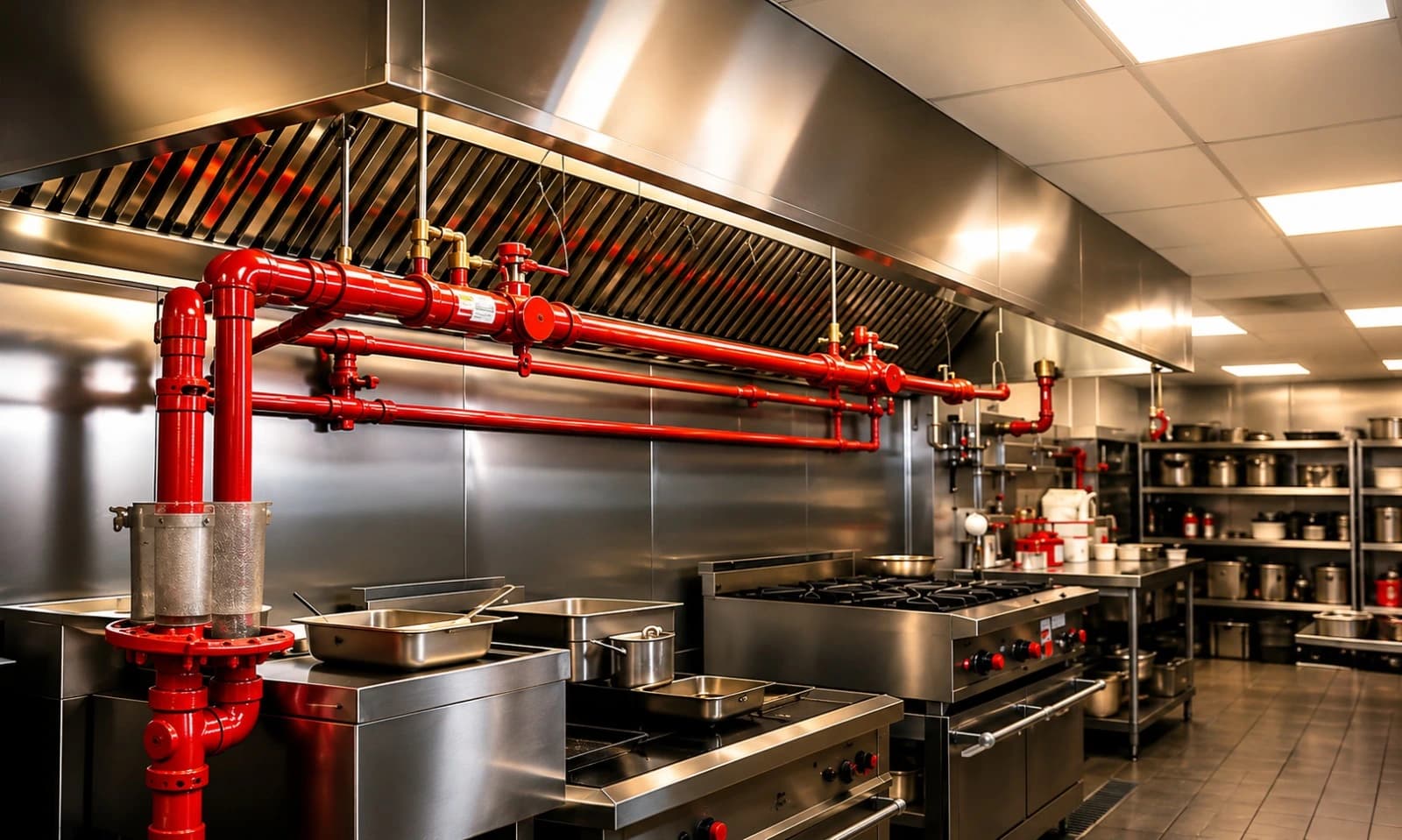
Detroit has a strong industrial and manufacturing history. Businesses throughout the area operate warehouses, manufacturing facilities, automotive-related operations, commercial buildings, processing environments, and other facilities with varying levels of fire risk.
Industrial fires can develop from many sources.
Common risks may include:
Every facility is different.
A warehouse storing materials has different risks than a manufacturing plant. A commercial kitchen has different hazards than an automotive facility.
That is why industrial fire suppression system service in Detroit, MI should consider the specific environment and equipment being protected.
Professional fire suppression service involves more than simply looking at the equipment.
A trained technician may evaluate multiple components to help determine whether the system is functioning properly.
Depending on the system, service may include an inspection of:
System Components
Technicians may check visible components for damage, corrosion, leaks, or other concerns.
Detection Equipment
Detection components may need to be evaluated to ensure they can properly identify fire-related conditions.
Control Equipment
Control panels and release mechanisms are important parts of many suppression systems.
Nozzles and Distribution Components
Nozzles must remain in appropriate condition and locations to distribute the suppression agent effectively.
Pressure Levels
Systems that depend on pressurized components may require pressure-related inspection.
System Connections
Connections and fittings may need to be inspected for signs of wear or damage.
Professional servicing provides an opportunity to identify issues that may not be obvious during a visual inspection.
It may be tempting to delay service if your facility is busy or the system appears to be functioning.
However, delaying necessary maintenance can increase the risk of more significant problems.
Potential consequences include:
Increased Repair Costs
A small problem may become more serious over time.
For example, minor corrosion can eventually damage additional components.
Business Disruption
A system malfunction can interrupt normal operations.
Unexpected repairs may also require downtime.
Reduced Fire Protection
A poorly maintained system may not perform as expected during an emergency.
Inspection Concerns
Fire protection systems may be subject to applicable inspection and maintenance requirements.
Greater Property Risk
Equipment, inventory, and facilities may face greater risk when fire protection systems are not properly maintained.
The cost of preventive service is often easier to manage than the consequences of a major system failure.
The appropriate maintenance schedule depends on several factors.
These may include:
Industrial environments may require particular attention because equipment can be exposed to demanding conditions.
A professional fire protection company can help establish an appropriate inspection and maintenance plan based on your facility and system.
The most important point is consistency.
Do not wait for an emergency to discover whether your fire suppression system needs service.
Selecting a qualified fire suppression service provider is an important decision.
Your provider should understand the importance of reliable fire protection and industrial safety.
When evaluating a company, consider the following factors.
Experience With Commercial and Industrial Systems
Industrial fire suppression systems can differ from residential fire protection equipment.
Choose a provider with experience working in commercial and industrial environments.
Knowledge of Different System Types
Fire suppression requirements vary depending on the equipment and hazards involved.
A knowledgeable provider should understand the systems they service.
Professional Inspection Capabilities
A proper inspection should focus on more than obvious visual issues.
Clear Communication
Your service provider should explain any concerns clearly.
You should understand:
Preventive Maintenance Support
A reliable provider can help you stay organized with future inspections and maintenance.
The best approach to fire suppression maintenance is proactive rather than reactive.
Instead of waiting for warning lights, leaks, or unexpected activation, facility managers can establish a preventive maintenance routine.
A strong maintenance strategy may include:
Preventive maintenance can provide peace of mind and help identify concerns before they become serious.
For Detroit businesses, this is particularly valuable in facilities where operations depend on expensive equipment and continuous production.
Employees may notice problems before a formal inspection occurs.
Facility managers should encourage workers to report unusual conditions involving fire protection equipment.
Examples include:
Employees should not attempt to repair specialized fire suppression equipment unless they are properly authorized and qualified.
Instead, concerns should be reported to the appropriate facility manager or fire protection professional.
Early reporting can help prevent minor issues from becoming larger problems.
Industrial fire suppression is about more than meeting requirements.
It is also about protecting the people and resources that keep your business operating.
A serious fire can affect:
Employees:
Workplace safety should always be a top priority.
Equipment:
Industrial machinery can be expensive and difficult to replace.
Inventory:
Fire and smoke damage can destroy valuable products and materials.
Operations:
A fire-related shutdown can affect production schedules and revenue.
Business Reputation:
Extended disruptions may affect customer relationships.
A well-maintained fire suppression system is one important part of a broader workplace safety strategy.
You should contact a professional promptly if you notice any of the following:
The earlier a problem is evaluated, the easier it may be to address.
Do not ignore warning indicators simply because the facility is currently operating normally.
Fire suppression equipment is designed for emergencies, which means reliability must be maintained before an emergency occurs.
If you are looking for professional commercial and industrial fire suppression services in Detroit, MI, Desert in Alaska provides support for businesses that need dependable fire protection solutions. Whether your facility requires professional evaluation, maintenance, or service for commercial fire suppression equipment, working with experienced professionals can help you identify potential issues and maintain a safer business environment. Learn more about the available services by visiting Desert in Alaska Commercial Fire Suppression Services in Detroit.
Common warning signs include visible damage, leaks, corrosion, pressure problems, warning indicators, false alarms, unexpected activation, and overdue maintenance. If you notice any unusual condition, a professional inspection is recommended.
Yes. Some problems may involve internal or electronic components that are not obvious during a basic visual inspection. Professional servicing can help identify hidden concerns.
False alarms may indicate problems with detection equipment, electrical components, environmental conditions, or system controls. They should be investigated by a qualified professional.
A significant change in machinery, operations, materials, or facility layout may affect your fire protection needs. A professional evaluation can help determine whether modifications are necessary.
Do not ignore it. Report the problem and contact a qualified fire suppression service professional to inspect the affected equipment.
Your industrial fire suppression system plays a critical role in protecting your facility, employees, equipment, and business operations. Visible damage, pressure problems, overdue maintenance, false alarms, and major facility changes are five important signs that your system may need immediate professional service.
For industrial and commercial businesses in Detroit, MI, maintaining reliable fire protection equipment should be an ongoing priority. A proactive approach to inspection and maintenance can help identify problems early and reduce the risk of unexpected system failures.
If you notice warning signs or believe your system has not received appropriate professional attention, it is wise to schedule an inspection promptly. A properly maintained industrial fire suppression system can provide an important layer of protection when your business needs it most.